How Do I Get My Child into a School Routine?
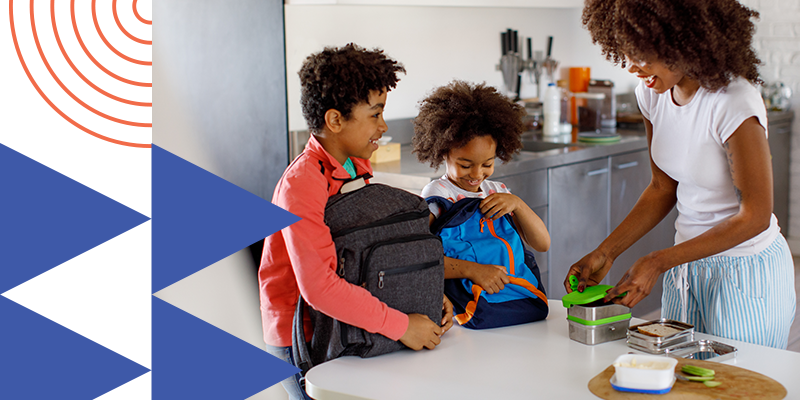
We all admire teachers who commit to running and organizing their classroom effectively. It’s always highly evident when the teacher takes a considerable amount of time to teach and practice routines. We can see evidence of effective classroom management through behaviors such as students focusing on their work, and not talking over the teacher or others. We can also see learned behaviors created by consistent school routines under the teacher’s leadership, for example, walking in line, listening at an assembly, and so on. Without routine there is no structure, and no structure can lead to disorganization.
The benefits of a strong routine can also result in positive outcomes at home. Routines save time and effort. Parents who commit to practicing routines see the benefits time and time again. Let’s look at the answer to “how do I get my child into a school routine?” that will ease the shift from summer to the school year.
Basic Routines
Start the school year off right by practicing basic routines. Make sure to practice well before the night before school begins. It’s not fair to expect mastery if you only practice a few times.
Bedtime
Ah, summertime: everyone loves fun summer nights, like staying up late, playing outside, watching movies and other special summer evening activities. But a nighttime schedule leads to a morning routine, so it’s the best place to start. Set an end time to video games, television and physical activities and gear up for bathing, unwinding and getting off the screen before bed. Ease into a reasonable bedtime that is age appropriate for your child.
Morning
It’s important to set morning expectations. If a child starts the day on a chaotic note, it can be tough to shake the negativity. Make an easy-to-follow schedule, practice and reward the accomplishment. Start with the basics.
- Make the bed (2 minutes)
- Get dressed (10-15 minutes)
- Eat breakfast (15-20 minutes)
- Put dishes in dishwasher (3 minutes)
- Pack pre-planned lunch (3-5 minutes)
Academic Time
If you and your child have fallen out of an academic routine, don’t fret! If you’re out of the swing of daily math and reading, it’s not too late to reestablish a practice schedule to build endurance. Re-starting and then keeping up academic skills and stamina (as best you can) will help you to achieve school-year success.
Practice Makes Possibilities
We’ve all heard the common expression, “Practice makes perfect.” But at Kumon, we believe, practice makes possibilities. By practicing routines, you are signaling to your child that the investment and focus of time and energy toward achievement is important. For example, the mastery of the morning routine, through practice, could allow for time to participate in other events or special activities, like getting to go to the library or see friends before the school day begins. Mastering academic skills means more time for participating in after-school programs, sports, music and the arts.
Remember when a routine has not been practiced, it simply will not happen. Praise your child when expectations are met. When routines are followed, your child and the whole family win.